Same-Day Service Available!
Tile floors and grout lines are popular in many homes because they are durable, attractive, and easy to live with day to day. They are commonly found in kitchens, bathrooms, entryways, and other high-use areas where spills and moisture are more likely. While tile itself is designed to handle heavy use, grout is far more porous and tends to absorb dirt, oils, and moisture over time. This combination often leads to floors that look dull or dirty even after regular cleaning.
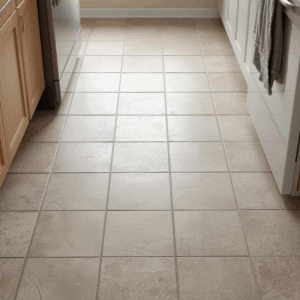
Many homeowners notice that no matter how often they mop, grout lines stay dark or uneven. Kitchen floors can develop sticky residue from cooking oils, while bathroom tile may show discoloration from soap buildup and moisture. Entryways collect tracked-in dirt that settles into grout and becomes difficult to remove with routine cleaning. These changes usually happen gradually, which makes it easy to overlook how much buildup has occurred.
Busy households often rely on quick solutions like store-bought cleaners or frequent mopping to keep tile looking presentable. While these methods can help with surface dirt, they rarely address what settles into grout lines. In some cases, improper products or scrubbing can even make the problem worse by pushing dirt deeper into the grout or leaving residue behind.
Understanding how tile and grout cleaning works helps homeowners make better decisions about care and maintenance. Tile and grout cleaning is not just about appearance. It plays a role in keeping floors safer, reducing odors, and maintaining a cleaner overall environment. In this guide, we will explain why tile and grout get dirty so easily, common problems homeowners face, and when professional tile and grout cleaning becomes the most effective solution.
Tile floors are designed to handle everyday use, but grout is not as forgiving. While tile has a protective surface, grout is porous by nature. This means it absorbs dirt, moisture, and residue much more easily, especially in high-use areas of the home.
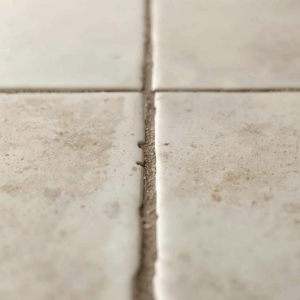
Grout lines act like tiny sponges. Over time, they soak up:
Once these materials settle into grout, they are difficult to remove with basic cleaning.
Some areas of the home see more wear than others. Kitchens, bathrooms, and entryways are especially prone to buildup because they combine moisture, spills, and foot traffic.
Common problem areas include:
Even regular mopping cannot fully remove what settles into grout lines in these spaces.
Many homeowners mop frequently, assuming it keeps tile clean. In reality, mopping often spreads dirty water across the floor and pushes residue deeper into grout.
Over time, this leads to:
Moisture plays a major role in grout discoloration. Bathrooms and kitchens are exposed to humidity and water daily, which allows grime to settle and linger.
This is why tile and grout often look clean at first, then gradually appear dull or stained despite regular care.
Understanding why tile and grout get dirty so easily helps explain why routine cleaning has limits. In the next section, we will look at the most common tile and grout problems homeowners face and why they tend to return without deeper cleaning.
As dirt and moisture build up in grout lines, a pattern of common problems begins to appear. Many homeowners notice these issues slowly and try to manage them with frequent mopping or stronger cleaners. While these efforts may help briefly, they often do not solve the underlying cause, which is why the same problems keep coming back.
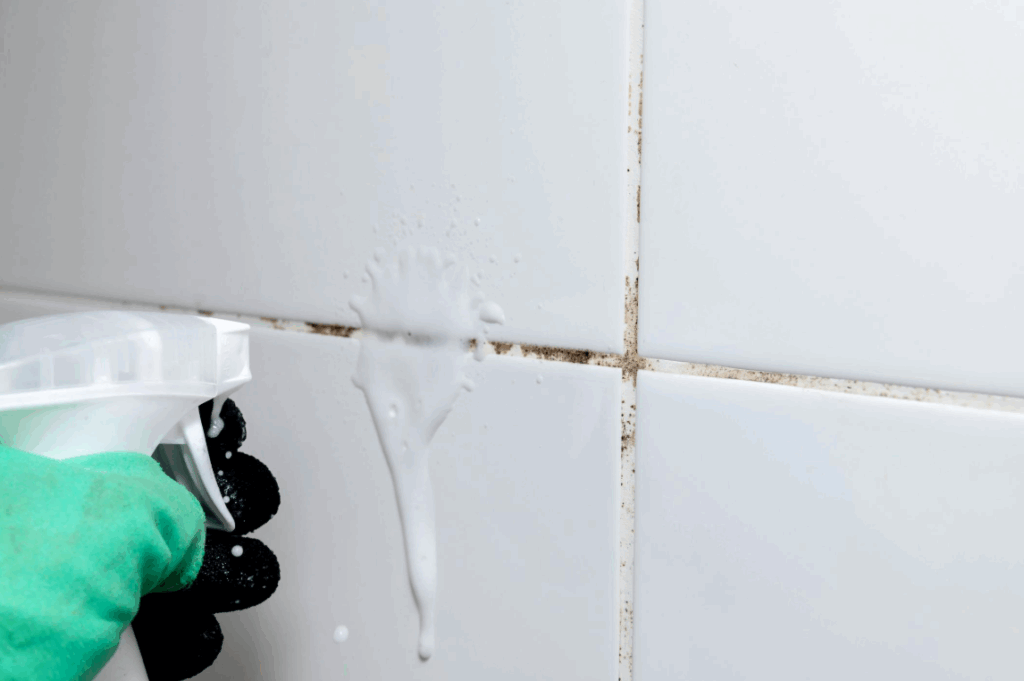
One of the most noticeable issues is grout that looks darker than the surrounding tile. Even in well-maintained homes, grout can become uneven in color as it absorbs dirt, oils, and moisture.
This often results in:
Kitchens and bathrooms are especially prone to grout problems because they combine spills, moisture, and daily use.
Common sources of buildup include:
Over time, this buildup hardens and becomes difficult to remove with household cleaners.
Another common complaint is tile that feels sticky or looks cloudy after cleaning. This is often caused by residue left behind by cleaning products or dirty mop water.
Signs of residue buildup include:
Grout can hold odors, especially in areas exposed to moisture or spills. In kitchens, food residue can create unpleasant smells, while bathrooms may develop musty odors from trapped moisture.
Odors often return because:
As residue and moisture build up, tile floors can become slick. This is especially noticeable in bathrooms, entryways, and kitchens where water is common.
Slippery floors increase the risk of:
These common tile and grout problems share a similar cause: buildup that routine cleaning cannot fully remove. In the next section, we will compare DIY tile and grout cleaning with professional cleaning and explain why some methods provide only short-term improvement.
When tile and grout start to look dirty, most homeowners try to fix the problem themselves first. DIY cleaning feels convenient and affordable, especially for everyday messes. In some cases, it helps. In many others, it leads to frustration when grout stays dark or floors look dirty again shortly after cleaning.
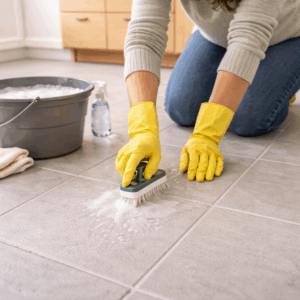
DIY methods work best for light, surface-level dirt and regular upkeep. They can be helpful for:
Used correctly, these methods can keep tile looking presentable for short periods.
The biggest challenge with DIY tile and grout cleaning is grout itself. Because grout is porous, dirt and moisture sink in deeper than household cleaners can reach.
Common DIY frustrations include:
Aggressive scrubbing can also wear down grout over time, making it more vulnerable to staining.
Many off-the-shelf tile and grout cleaners are designed to show quick results, not long-term cleanliness. They may lift surface dirt, but they rarely remove what is trapped deeper in the grout.
This often leads to:
In some cases, repeated use of harsh cleaners can discolor grout or damage tile surfaces.
Professional tile and grout cleaning focuses on deep removal, not surface masking. Trained technicians use specialized equipment and methods designed to clean grout thoroughly without damaging it.
Professional cleaning helps:
Because the process targets the source of the buildup, results tend to last longer than DIY cleaning.
Professional tile and grout cleaning is often the smarter option when you notice:
For busy households, professional cleaning saves time, reduces trial-and-error, and delivers more consistent results.
DIY tile and grout cleaning can support everyday maintenance, but it is not a complete solution. Understanding when to move beyond DIY methods helps homeowners protect their floors and maintain a cleaner, safer home. In the next section, we will explain how professional tile and grout cleaning works and why it delivers longer-lasting results.
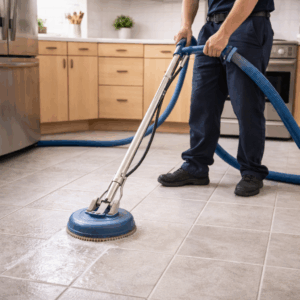
Professional tile and grout cleaning goes beyond surface cleaning to address the buildup that settles deep into grout lines and textured tile. Unlike routine mopping or scrubbing, the goal is to remove embedded dirt, residue, and moisture that cause discoloration and recurring problems.
Professional tile and grout cleaning is designed to clean both the tile surface and the grout beneath it, not just what you can see on top.
The process focuses on:
By targeting the source of the problem, professional cleaning delivers results that last longer than DIY methods.
Grout is much softer and more porous than tile. Scrubbing with the wrong tools or chemicals can damage it, making staining worse over time. Professional cleaning methods are designed to clean grout thoroughly without wearing it down.
This approach helps:
One of the biggest advantages of professional tile and grout cleaning is controlled, effective cleaning. Instead of relying on aggressive scrubbing, professionals use techniques that lift dirt out of grout pores safely.
Benefits of this approach include:
Excess moisture can cause odors, discoloration, and slippery floors. Professional tile and grout cleaning focuses on using the right amount of moisture and removing it properly once cleaning is complete.
This results in:
Tile and grout vary widely depending on material, location, and condition. Kitchens, bathrooms, and entryways all require different approaches. Trained professionals understand how to adjust cleaning methods based on the surface and level of buildup.
Professional expertise helps ensure:
Professional tile and grout cleaning delivers deeper, more reliable results because it addresses what routine cleaning cannot. In the next section, we will focus on tile and grout cleaning in kitchens and bathrooms, where buildup tends to be the heaviest and most noticeable.
Most homes benefit from professional tile and grout cleaning every 12 to 18 months. Kitchens, bathrooms, and entryways may need cleaning more often due to heavier use and moisture.
Grout is porous and absorbs dirt, oils, and moisture. Mopping mainly cleans the tile surface and often pushes dirty water deeper into grout lines instead of removing buildup.
DIY cleaners may improve grout appearance temporarily, but they usually cannot remove deep buildup. Residue left behind can cause grout to darken again quickly.
Yes. Professional tile and grout cleaning uses methods designed to clean grout thoroughly without damaging tile surfaces or wearing down grout lines.
Professional cleaning restores grout closer to its original color by removing dirt and residue. It does not dye or permanently alter grout color.
Dry times vary, but most professionally cleaned tile and grout floors are ready to walk on within a few hours.
Yes. Odors caused by trapped moisture, food residue, or buildup in grout can often be reduced or eliminated with deep professional cleaning.
No. Entryways, laundry rooms, and other tiled areas also benefit from professional cleaning, especially in high-traffic areas.
Proper professional cleaning removes residue that can cause slick surfaces, often improving traction once floors are dry.
If grout lines remain dark, tile looks cloudy, or floors feel sticky despite regular cleaning, it is a good time to schedule professional service.
Tile floors are a durable and attractive choice for many homes, but grout requires more care than most homeowners expect. Dirt, moisture, and residue gradually build up in grout lines, making floors look dull and uneven even with frequent mopping. Understanding why these problems occur helps explain why routine cleaning often has limits.
While DIY cleaning can help with everyday upkeep, recurring discoloration, odors, and residue are signs that deeper cleaning is needed. Professional tile and grout cleaning removes buildup that household methods cannot reach, helping restore a cleaner appearance and making floors easier to maintain moving forward.
By pairing regular maintenance with professional service, homeowners can protect their tile floors, improve safety, and maintain a cleaner living environment. If your tile and grout no longer respond to routine cleaning, it may be time to take the next step. Schedule now to experience professional tile and grout cleaning that helps bring back the clean, refreshed look your home deserves.